The last open day of the year for pilgrimage to the Buddha's skull relic at Niushou Mountain on National Day .
Sep 30, 2026
Nanjing,China, September 30, 2026 -- From October 1st to October 7th, 2026 , the Buddha's skull relic at Niushou Mountain will be open to the public for viewing (the last viewing of the year) . With the autumn breeze bringing blessings , we welcome you to climb Niushou Mountain, bask in its light, pray for good fortune, and share in the joy of Dharma, wishing you peace and health year after year .

Why is the Buddha's skull relic so revered?
The Buddha's skull relic is the true relic of the skull of Shakyamuni Buddha. According to historical records, after Shakyamuni Buddha's Nirvana and cremation, relics such as his teeth, fingers, and skull remained. Currently, the Buddha's skull relic enshrined at Niushou Mountain is the only one of its kind in the world.
Regarding this relic, more than a thousand years ago, the eminent Eastern Jin monk Faxian, on his journey to the West to seek Buddhist scriptures, recorded in detail his experience of gazing upon the Buddha's skull relic in the city of Hira in the Kingdom of Nagarjuna: "The bone is yellowish-white, four inches in circumference, with a raised top." Subsequently, countless eminent monks, including Song Yun and Huisheng of the Northern Wei Dynasty, and Xuanzang of the Tang Dynasty, traveled great distances just to see this sacred object. Xuanzang, in his "Great Tang Records on the Western Regions," exclaimed in awe that this Buddha's skull relic was "one foot and two inches in circumference, with clearly defined hair follicles," inspiring awe in all who saw it.
Why did the Buddha's skull relic appear in Nanjing?
Why did the Buddha's skull relic appear in Nanjing? It was no accident. Nanjing's status in the history of Chinese Buddhism can be traced back to the late Eastern Han Dynasty. At that time, Buddhism was first introduced to Jiangnan, and Jianchu Temple in Jinling became the first Buddhist temple in Jiangnan. During the Southern Dynasties, Jiankang (Nanjing) was already the national center of Buddhist and Zen culture. Du Mu's line "Four hundred and eighty temples in the Southern Dynasties" perfectly describes the flourishing state of temples in Jinling at that time.
For over a thousand years thereafter, various schools of Buddhism flourished and thrived in Nanjing. The Sanlun School, Tiantai School, Huayan School, Chan School, and many others all had intricate connections with Nanjing. The Buddhist capital of Jinling (Nanjing) thus gained widespread renown…
The Millennium Circulation of Sacred Relics
On July 18, 2008, a momentous event occurred in Nanjing that shocked the world. Archaeologists discovered the underground palace of the Northern Song Dynasty's Changgan Temple at the Ming Dynasty Great Bao'en Temple site in Nanjing. A stone casket unearthed bore a lengthy inscription entitled "Record of the Stone Casket Containing the Relics of the True Body Pagoda of Changgan Temple in Jinling," recording that the Ashoka Pagoda within the underground palace contained the Buddha's skull relic, other relics, and relics of various saints. The Nanjing Great Bao'en Temple site was named one of the "Top Ten Archaeological Discoveries in China in 2010."
According to historical records, in the fifth year of the Taiping Xingguo era of the Northern Song Dynasty (980 AD), the Indian monk Venerable Shihu brought the Buddha's skull relic from Sri Lanka to China and enshrined it in Changgan Temple (the predecessor of the Great Bao'en Temple) in Jinling. In the fourth year of the Dazhong Xiangfu era of the Northern Song Dynasty (1011 AD), during the reign of Emperor Zhenzong of Song, a gold coffin and silver outer coffin were made to house the relic, which was then placed inside the Seven-Jeweled Ashoka Pagoda and enshrined in the underground palace. On June 12, 2010, the Buddha's skull relic, which had been hidden in the Ashoka Pagoda for a thousand years, was revealed to the world. Its historical, cultural, and religious value is unparalleled.
Why is the Buddha's skull relic enshrined at Niushou Mountain?
- Geographical context: The convergence and sedimentation of the axis in landscape
Niushou Mountain boasts a natural landscape of "exquisite beauty and harmonious integration of mountains and water," occupying a unique position in Nanjing's "three axes and one line" landscape network. Among these, the "Six Dynasties Landscape and Historical Sites Line," stretching from Fuzhou Mountain in the north to Niushou Mountain in the south, extends along the Southern Dynasties Imperial Road, connecting the spirit and grandeur of Jinling (Nanjing) over a thousand years. Niushou Mountain is the southern concluding stroke of this cultural axis, embodying the essence of heaven and earth.
Meanwhile, Niushou Mountain, nestled in the southern suburbs of Nanjing, is far from the hustle and bustle, forming a tranquil and serene haven. Its secluded and peaceful mountain atmosphere, along with its solemn and sacred natural environment, perfectly matches the calm and dignified atmosphere required for the enshrinement of sacred objects.
- Cultural Heritage: Every step reveals a piece of history, and local customs become poetry.
Mountains and rivers hold the weight of history, and local customs and artifacts carry the weight of human culture. Surrounding Niushou Mountain are numerous historical sites, including Yue Fei's anti-Jin fortress, Zheng He Cultural Park, the Southern Tang Dynasty mausoleums, and cliff carvings. Every step reveals a piece of history, every glance spans a millennium. These historical sites echo the main culture of Niushou Mountain, constructing a rich and enduring tapestry of Nanjing's cultural landscape.
- Buddhist and Zen Origins: Niutou Ancestral Temple, a Zen Lineage for a Thousand Years
Nanjing is a Buddhist capital with a history of over a thousand years, and Niushou Mountain is an indispensable part of Nanjing's Buddhist and Zen cultural heritage.
As early as the Wei, Jin, and Northern and Southern Dynasties, Niushou Mountain had already begun its history of Buddhist and Zen cultural transmission. Many eminent monks built hermitages and practiced Buddhism amidst the serene and ethereal scenery of Niushou Mountain, allowing Buddhist and Zen culture to take root and flourish in this verdant landscape. During the early Tang Dynasty, Zen Master Farong founded an important branch of Zen Buddhism at Niushou Mountain—the Niutou School, also known as Niutou Chan. Its doctrines are considered to mark the true beginning of the Sinicization of Indian Zen. Niushou Mountain thus became one of the important origins of Chinese Zen Buddhism. For thousands of years since then, the Buddhist and Zen culture of Niushou Mountain has continued uninterrupted. Despite the vicissitudes of time, it has always been an important cultural activity center in the Nanjing area, attracting countless people to enjoy the scenery, make wishes and pray for blessings, and cultivate their minds, experiencing the unique tranquility and peace of the mountains.
The natural endowment of its landscape, the profound accumulation of its millennia-old culture, and the deep origins of its Zen Buddhist ancestral home—these three cultural traditions blend together to create Niushou Mountain, a blessed and auspicious place. The convergence of these karmic connections, perfectly aligned with its origins, makes Niushou Mountain the best place to enshrine the Buddha's skull relic.
As a national first-class cultural relic, the Buddha's skull relic is highly anticipated every time it is opened to the public for viewing.
Contact Info:
Name: Media Relations Of Office
Email: Send Email
Organization: Niushou Mountain Cultural Tourism Zone
Website: https://www.niushoushan.net/
Release ID: 89204805
In case of identifying any problems, concerns, or inaccuracies in the content shared in this press release, or if a press release needs to be taken down, we urge you to notify us immediately by contacting [email protected] (it is important to note that this email is the authorized channel for such matters, sending multiple emails to multiple addresses does not necessarily help expedite your request). Our dedicated team will be readily accessible to address your concerns and take swift action within 8 hours to rectify any issues identified or assist with the removal process. We are committed to delivering high-quality content and ensuring accuracy for our valued readers.
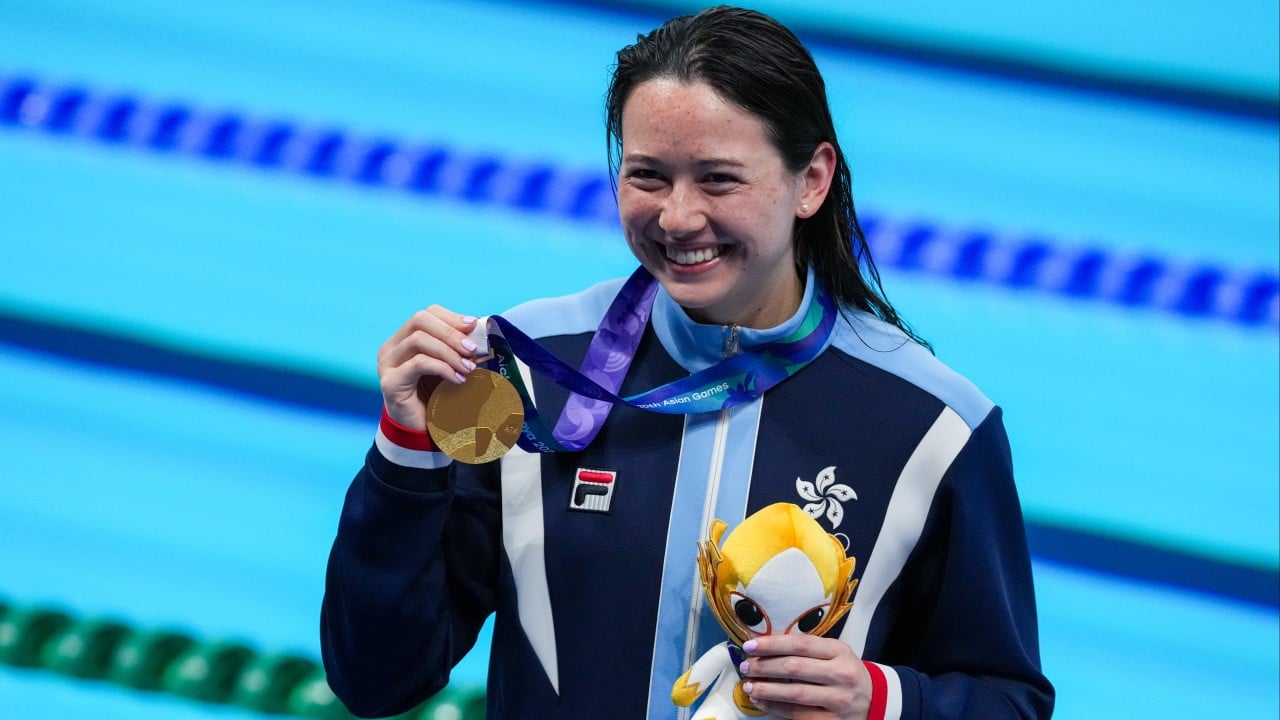
Hong Kong’s Asian Games mix of good, bad and ugly, but record medal haul still possible
Hong Kong’s athletes were sent to the Asian Games in Japan this month with the demand they “achieve even greater success, bringing more glory to the country and Hong Kong” and the weight of a city’s considerable expectations on their shoulders. In this instance, greater success is surpassing the record 53 medals won in Hangzhou three years ago, although the message might also have been “look at how much money we give you, don’t disappoint us”. Whether the 580 sportsmen and women tasked with...
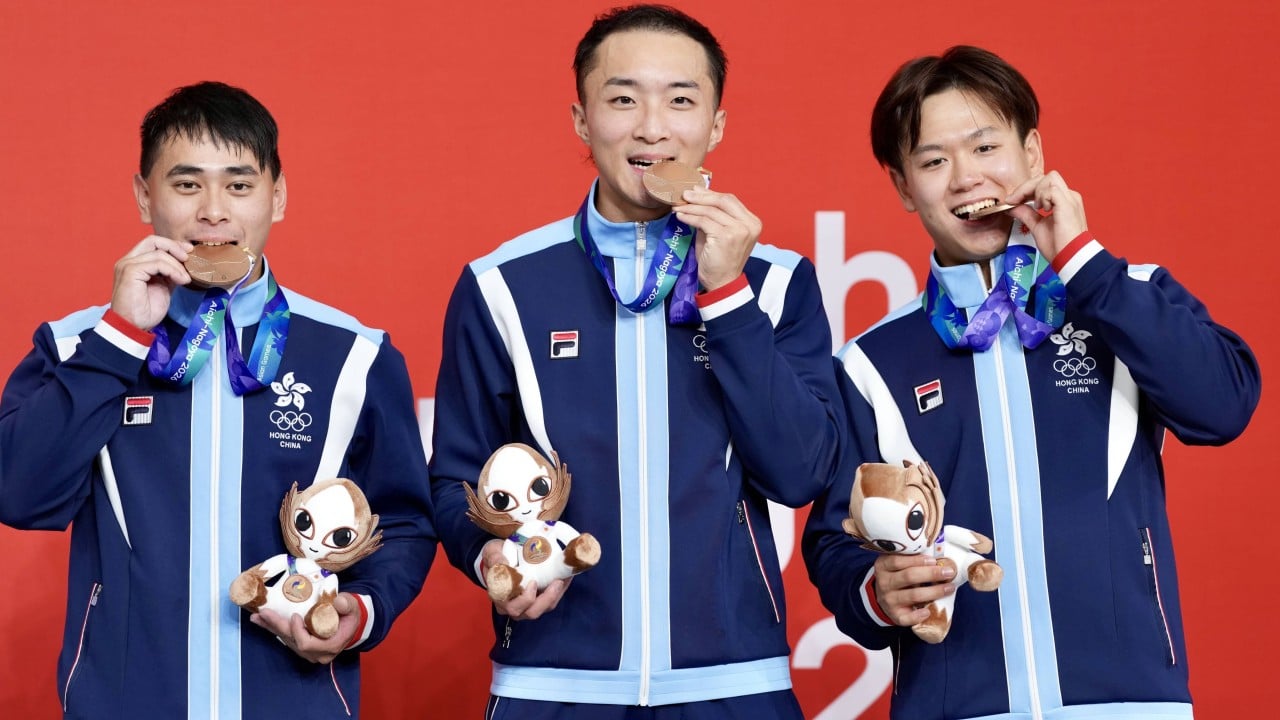
Asian Games: double cycling gold for China, Hong Kong take bronze, Wong on move
Hong Kong’s men got their track cycling campaign off to a strong start on Tuesday, winning bronze in the team sprint, while the city’s squash players continued to march through their respective team events. China, meanwhile, took gold in the sprint in a Games record time of 42.152 seconds at Izu Velodrome, consigning Japan to silver. The hosts finished in 42.511. There was victory too for China’s women, who set an Asian record of 45.370 in beating Malaysia to team sprint gold. Chinese Taipei...
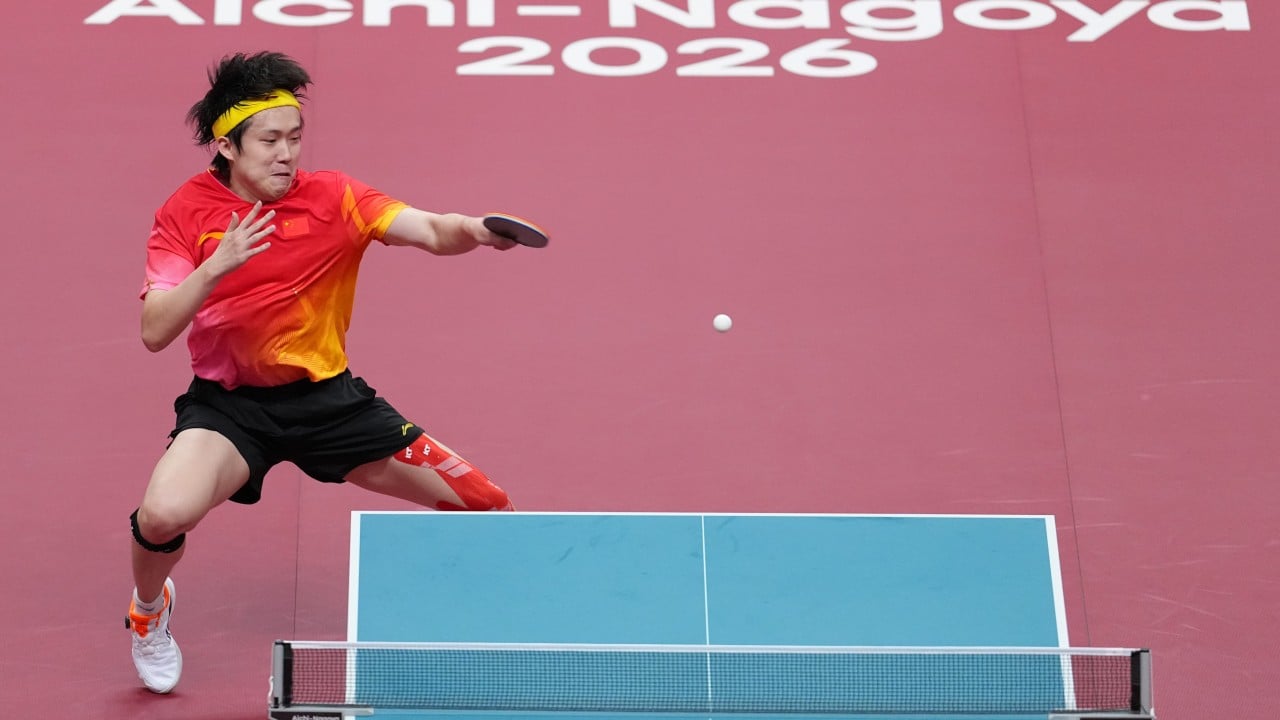
Toxic online scrutiny affecting China table tennis star Wang Chuqin, former player says
Former China table tennis player Cheng Jingqi has warned that toxic online scrutiny is affecting Wang Chuqin and damaging the team, with the world No 1 admitting he is “losing the feeling of loving the court”. Wang lost 4-0 to 21-year-old compatriot Lin Shidong in the men’s singles table tennis final at the Aichi-Nagoya Asian Games on Monday, with news of the defeat attracting over 6,000 comments and 18,000 likes on Chinese social media within two minutes. The comment section of the post...

Hong Kong’s bruising WXV Challenger part of journey to becoming ‘force on world stage’
As the dust settles on their intense and increasingly fraught home WXV Challenger campaign, Hong Kong have begun absorbing the salutary lessons they received over what it will take to fulfil their goal of becoming “a force on the world stage”. After beginning with a gutsy, if slightly fortunate, win over Brazil, the city team were flattened by eventual champions Fiji in their second match. Favourites going into their closing fixture on Saturday against Samoa, they trailed from the second minute...

‘Chill’ before the storm for rugby 7s captain as Hong Kong aim beyond Asian Games bronze
The envy of other athletes, swimmers typically wrap up their major Games galas early and start letting their hair down while everyone else is still in monastic competition mode. Contrast their hedonistic lot with the rugby 7s players at this Asian Games: “on edge, practising and a bit nervous”, according to Chloe Chan, as they impatiently wait to join the party on Thursday. “But it’s good to be nervous going into a tournament; it means you care, right?” the Hong Kong captain said. Had the chips...
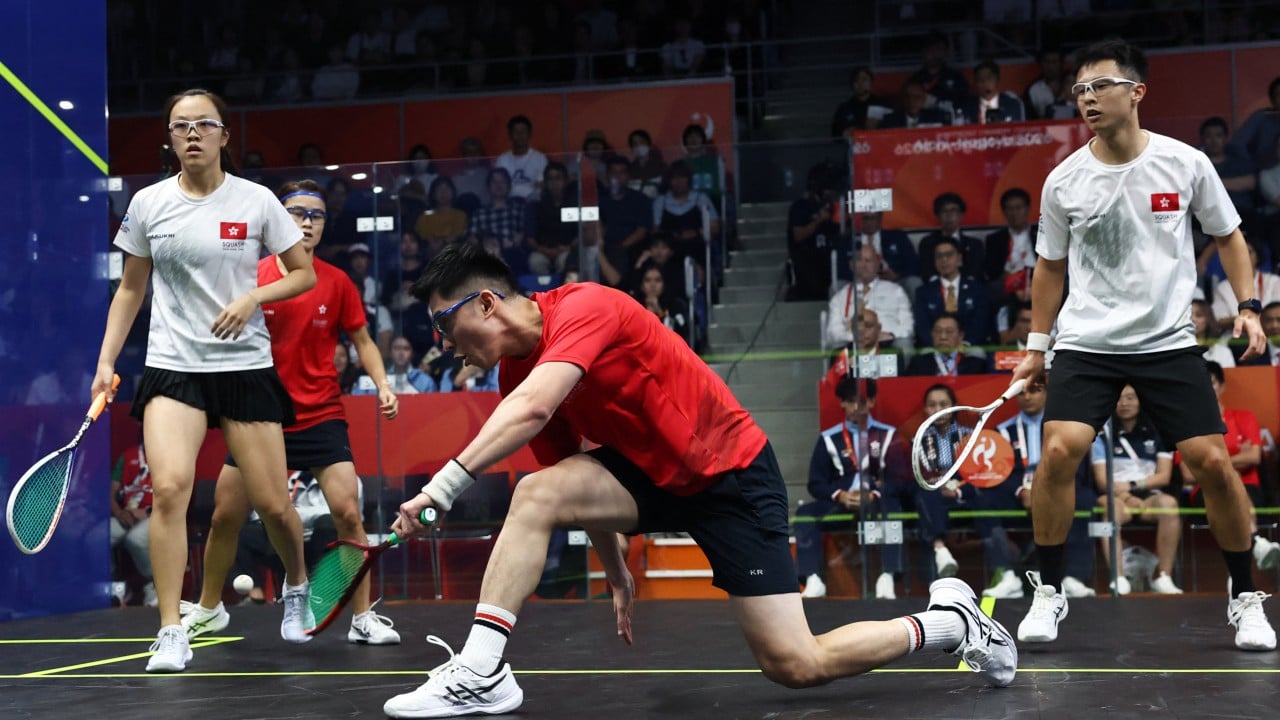
Squash chief looks ahead to LA Olympics debut, is not taking Brisbane 2032 for granted
Squash may have secured its long-awaited Olympic debut at the 2028 Los Angeles Games, but the chief of the sport’s global governing body is acutely aware of budget and venue squeezes and is not taking a spot at the Brisbane 2032 Olympics in Australia for granted. While World Squash is leaving no stone unturned in its bid to retain its Olympic spot, banking on the game’s expanding global footprint and plug-and-play sustainability, its president Zena Wooldridge took a pragmatic view of...
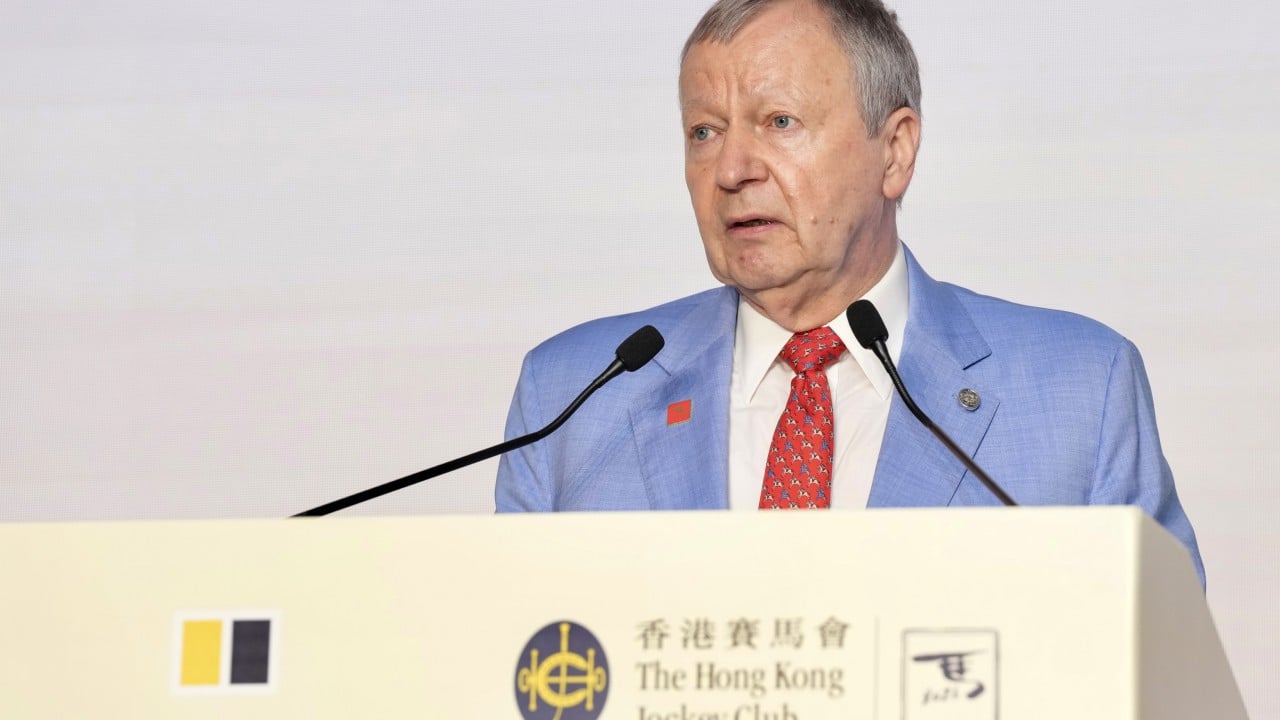
Jockey Club investigates reasons for concerning decline in local turnover to start new season
The Jockey Club is investigating reasons for declining local turnover to start the new season, which chief executive Winfried Engelbrecht-Bresges labelled a concern. Local wagering on Sunday’s 11-race card at Sha Tin dropped 11.5 per cent on last year to HK$1.359 billion – the fifth time local turnover was down from six meetings so far this term. While field sizes tend to be an issue this early in the season, with some trainers holding back their horses because of the hot weather, the decline in...
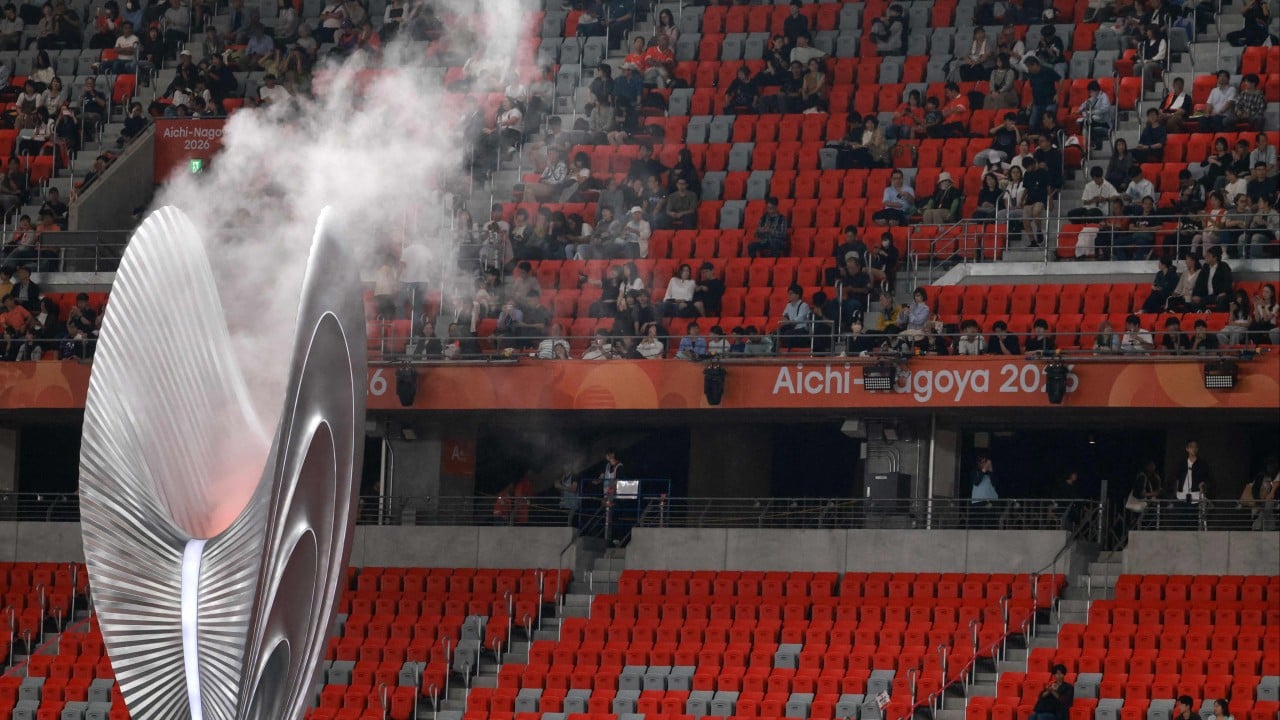
The worst Asian Games ever? Japan has failed to raise the bar in Nagoya
There have been times over the past week or so when you were left with the impression that Japan is holding the Asian Games only because everyone was too polite to say no several years ago. The rather haphazard nature of the organisation, and the tens of thousands of empty seats in venues around the Aichi-Nagoya region, is not indicative of a place that has wholeheartedly embraced its role as host to a sporting event that, in terms of competitor numbers at least, is bigger than the...
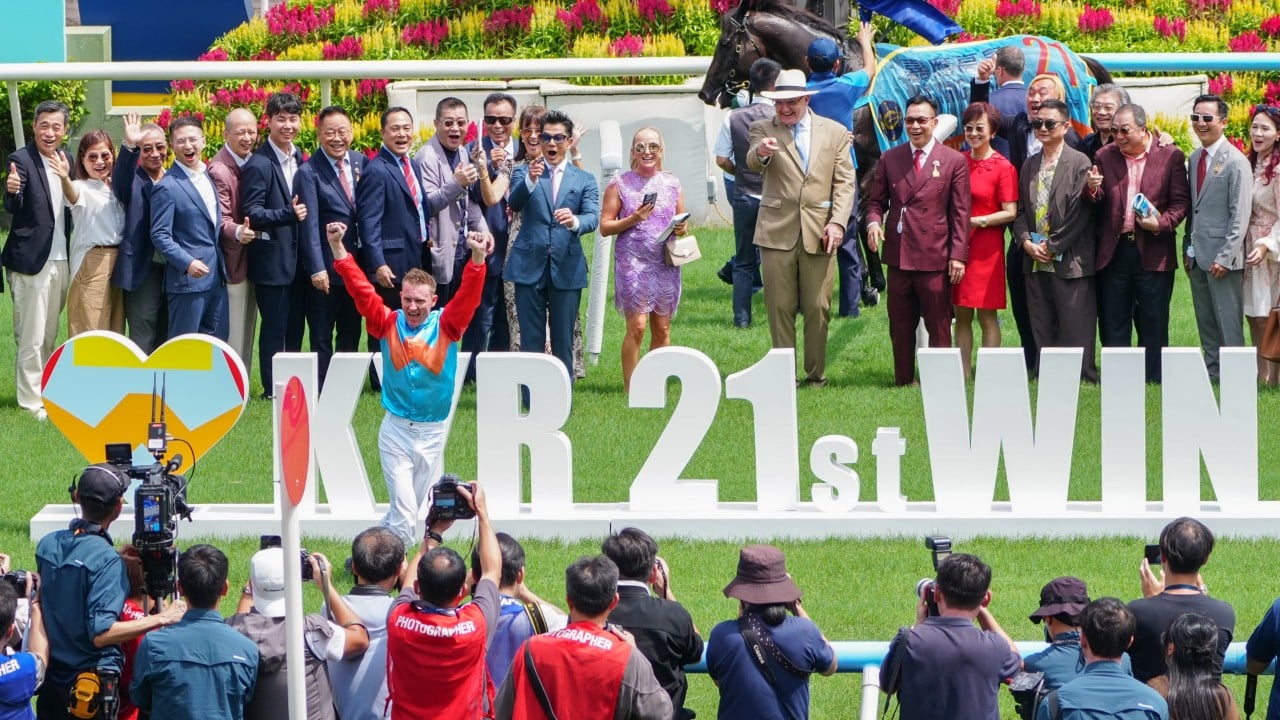
The Hong Kong Racing Postscript: who’s hot, who’s not and the best win and ride of September
The first month of the new season is in the books and it was business as usual for Ka Ying Rising and Zac Purton, while an apprentice and host of local trainers also made successful starts to their campaigns. The SCMP analyses the jockeys and trainers who had a month to remember or one to forget, as well as the most outstanding victory and winning ride. Who’s hot? Purton launched his bid for a 10th championship in fine style, firing in 11 wins at a healthy strike rate of 22.9 per cent for...
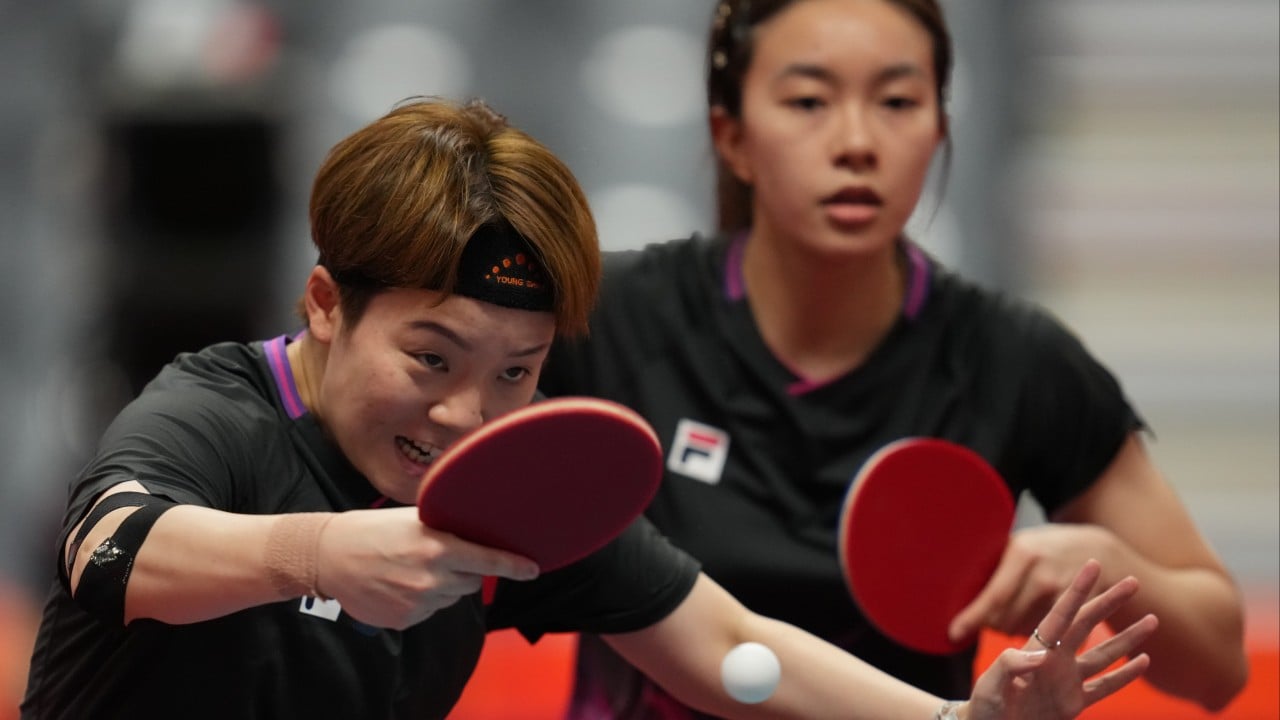
Asian Games, day 9: China’s remarkable diving streak, double bronze for Hong Kong
Hong Kong’s athletes extended their medal run to nine straight days at the Asian Games with bronze in esports and table tennis on Monday, pushing the overall tally to 34. China, meanwhile, continued a remarkable record in the diving, with two more golds, in women’s 1m springboard and men’s 1m springboard, extending an unbeaten streak stretching back to 1974. In that time, 94 titles have been up for grabs, and the country’s divers have taken them all. With six events remaining between now and...
Asian Games: Hong Kong star Ceci Lee hunting nemesis in quest to make ‘biggest step’
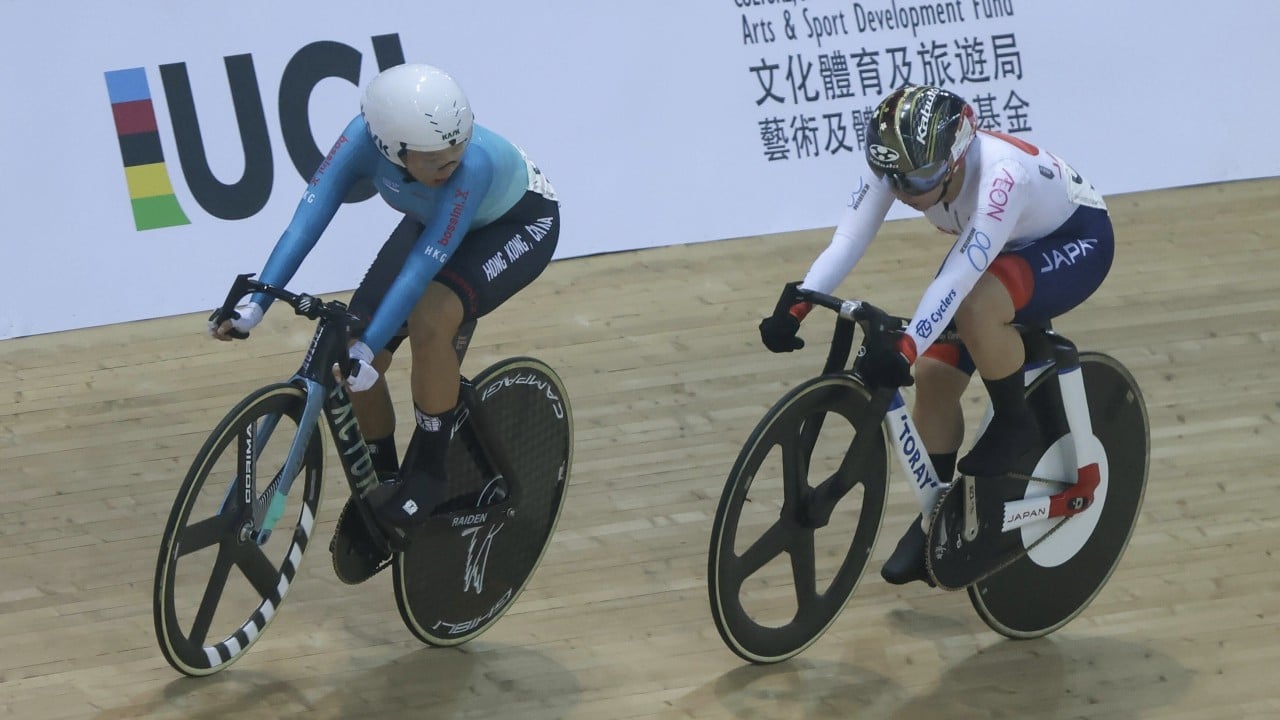
A “more relaxed and less stressed” Ceci Lee Sze-wing will face the challenge of overcoming two-time reigning champion and hometown favourite Yumi Kajihara in her hunt for a potentially career-shaping Asian Games gold. Lee will link up with Chloe Leung Wing-yee in the Madison on Thursday, but it is in the following day’s omnium, which head coach Herve Dagorne labelled “the queen event”, that the 25-year-old could establish herself as the continent’s most complete track cyclist. She has sacrificed...
Fifa Asean Cup: Hong Kong on brink of final as midfielder stars on return from exile
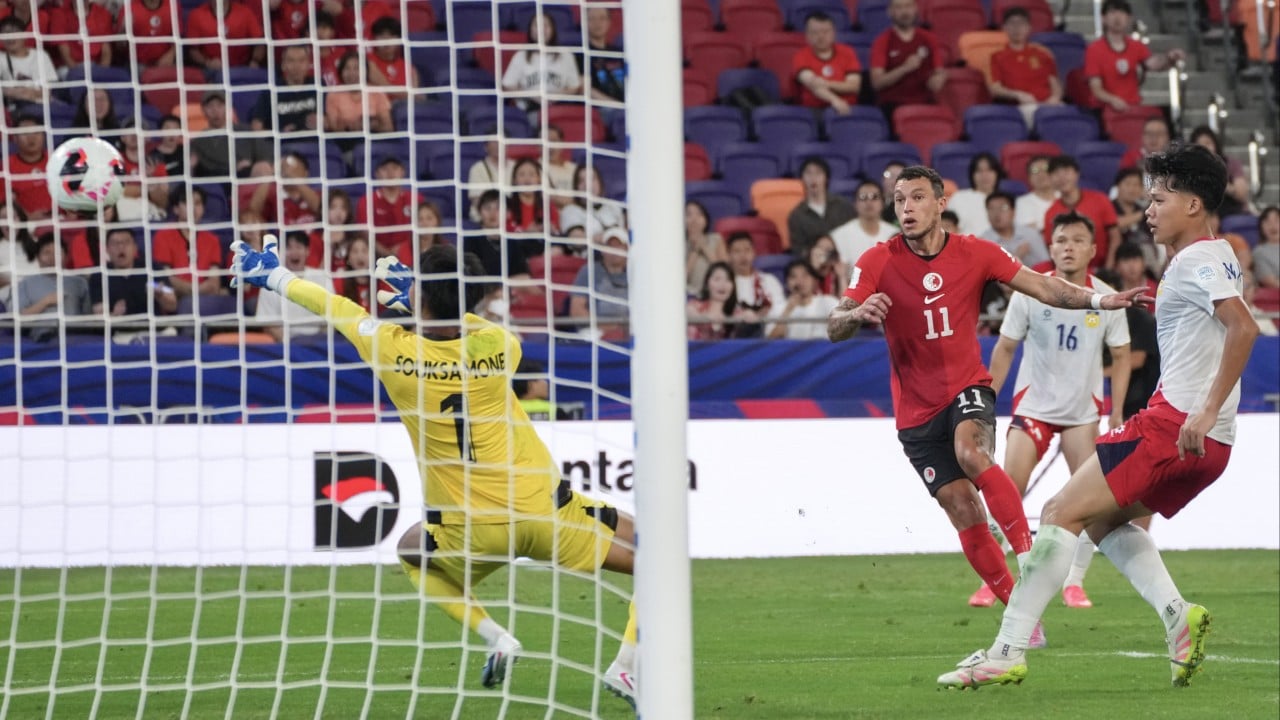
Vladica Grujic said Hong Kong played “a completely different level of football” from his Laos side, after the world No 186 ranked team were thumped 4-0 in the Fifa Asean Cup on Sunday. Sun Ming-him and Everton Camargo, brilliantly, netted in the opening half, before Dudu’s 55th-minute header defeated the flimsy defences of Souksamone Vethita, and Matt Orr emphatically converted a stoppage-time penalty. Unsurprisingly, Laos did not prove a hot ticket, although the 18,873 fans inside Kai Tak...

SCMP Best Bets: 1 October
Sep 30, 2026



YOUR NEWS, OUR NETWORK.
Do you have Great News you want to tell the world?
Be it updates about your business or your community, you can make sure that it’s heard by submitting your story to our network reaching hundreds of news sites across 6 verticals.